
Your lungs are healing.
Here's how to help them.
A guided rehab session for your lungs. Start whenever you are ready.
You will want a sturdy chair and water nearby.
A free rehab session for your lungs.
Pulmonary rehab, brought to your living room: breathing practice, gentle strength, and endurance, with balance built in. Starting soon after a hospital stay for a COPD flare-up is linked to living longer.13 A video shows every move. A voice walks with you. You set the pace.
Welcome to your pulmonary rehab session.
A complete guided session: breathing, strength, and balance. Videos show you each move, a voice walks you through it, and you set the pace.
Free · go at your own pace
Check your medicines.
Inhalers and breathing medicines work best when your team sees the whole list. Look each one up, and it goes onto a sheet you print and carry to your visit. We never tell you to stop or change anything. If typing is hard, ask the person helping you, or bring your pill bottles to your next visit.
Never stop or change a medicine on your own. This tool is here to help you talk with your doctor, not to replace them.

FunctionalHealth
My medicine list
Type a few letters and pick your medicine from the list. If it is not there, add it just as it reads on your bottle.
For example: lisinopril.
Search powered by the NIH RxTerms database. Your care team manages dosing.
Saved on this phone only. Nothing is sent to us. Your list stays here for your next visit, and shows up on your other guides too.
No medicines on the list yet.
How do I use my inhaler right?
Almost 9 in 10 people miss a step.3 Pick your inhaler, and we walk through it together, one step at a time.
Which inhaler do you have?
Not sure? A spray inhaler has a canister you press. A powder inhaler has no spray: your own fast, deep breath releases the medicine.58
Rescue inhaler
Use when you are short of breath. Works in minutes. Needing it twice a week or more with asthma,4 or more than 3 times a week with COPD,7 can mean your condition is not under control. Tell your doctor.
Maintenance inhaler
Use every day, even when you feel fine. It prevents flare-ups. Talk with your doctor before stopping or changing it.
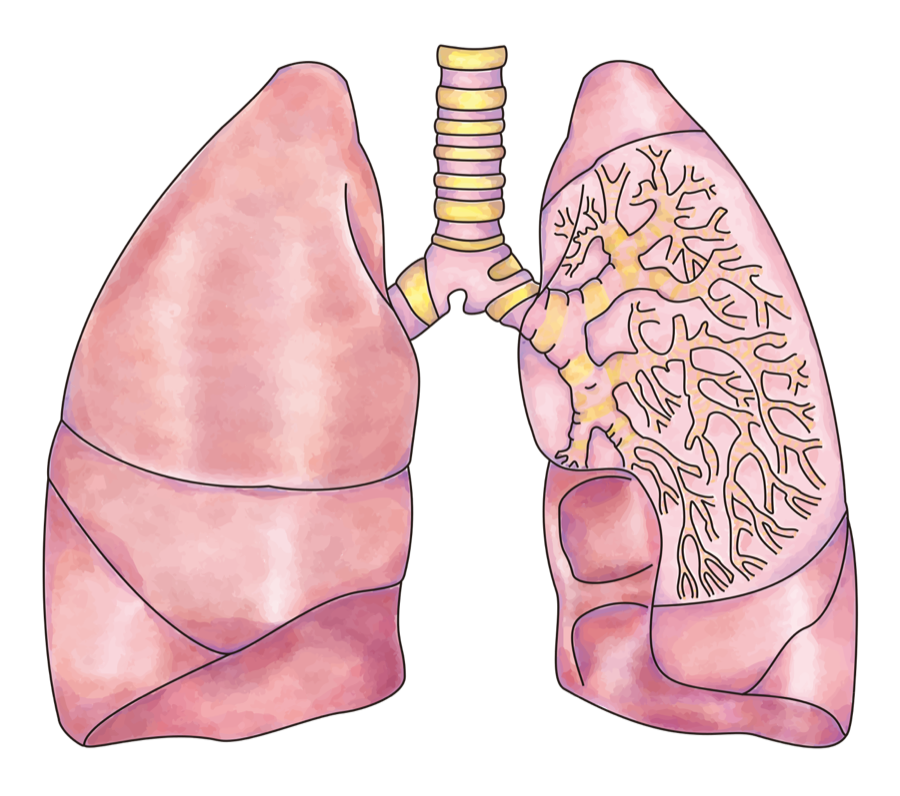
Your lungs, explained.
See what is going on inside, in two calm minutes. Pick what your care team told you, and we walk it through one picture at a time. No hard words.
FunctionalHealth
What did your care team say is going on?
Tap the one that sounds like you. There is no wrong answer. If you are not sure, your discharge papers usually say, or ask your care team.
Care teams use many names, and not every condition is here yet. That is completely OK. Ask your care team what to call what happened, and you can read about most conditions in plain words at MedlinePlus.
MedlinePlus health topics (NIH)Your first week home after a COPD hospital stay: breathe easier during chores.
Small changes save your breath. Rehab therapists teach these every day. Try one this week.
Sit for tasks
Use a shower chair. Sit to get dressed and to prepare food.14
Breathe through the effort
In through your nose first. Out through pursed lips during the hardest part.14
Roll, don't carry
A small cart or walker basket moves things so you keep your breath.14
Rest between tasks
One activity, then rest. Trade off heavy and light jobs.14
Keep things within reach
Store daily items at waist height. Fewer trips, less breathlessness.14
Time hard tasks to your meds
If your doctor says to, use your rescue inhaler before harder tasks. It works in minutes.7
Use oxygen safely.
If your doctor prescribed oxygen, these simple rules keep you and your home safe. Not everyone with a lung condition needs it, so follow your own plan.
Equipment care
- Wash your cannula with mild soap and water once or twice a week, and more often if you are sick.10
- Replace your cannula every 2 to 4 weeks.10
- Check your tubing connections to make sure they are not leaking.10
Safety rules
- Never smoke near oxygen, and keep others from smoking near it.11
- Stay at least 5 feet from open flames and heat (further is safer): stoves, candles, and burners.11
- No petroleum products (like Vaseline) near your nose.
- Never change your flow rate without your doctor.
Know your breathing signs.
Use this as a guide, not a rule. When in doubt, call your doctor. If it feels like an emergency, call 911. You and your care team decide together.
Signs of a steady day
These often mean things are on track. Keep to your daily plan.
- Breathing like your usual self.
- Mucus that is its usual color and amount.
- Sleeping through the night without coughing.
Changes worth a call to your doctor
A change from your usual is worth telling your doctor's office about.912
- Breathing that is harder than usual, even after rest.
- More coughing, or mucus that is thicker, darker, or a new color.
- Needing your rescue inhaler more often than usual.
- New swelling in your ankles or legs.
- Waking at night short of breath.
Symptoms treated as emergencies
Symptoms like these are the kind that care teams treat right away.912
- Much harder to breathe, even at rest.
- Coughing up blood.
- Chest pain, especially with breathing.
- Blue or gray lips or fingernails.
- New confusion, or trouble staying awake.
Ask your doctor these.
Check the ones you want to ask. Print the list and take it to your next visit.

Pursed-lip breathing: in through your nose for 2, out through pursed lips for 4.
The session was day one.
A free account keeps your place, plans your week, and raises the work when you feel ready, the way in-person rehab does. Come back any day. A few sessions a week is real progress.
Save my progress, freeTwo quick questions build your program.
Your next step
Give your lungs two minutes
Practice your inhaler now, while it is fresh. The rest of the guide will wait.
- 1Pursed-lip breathing: breathe in through the nose, then breathe out slowly and gently through pursed lips (the technique and how it helps). StatPearls, NCBI Bookshelf
- 2Pursed-lip and belly (diaphragmatic) breathing exercises, including the counts: in through the nose about 2 counts, out through pursed lips about 4 counts. American Lung Association
- 3About 87% of U.S. patients make at least one error using a metered-dose inhaler. PubMed Central
- 4Asthma quick-relief drugs: using them twice a week or more can mean your asthma is not under control. MedlinePlus
- 5How to use a metered-dose inhaler, including waiting 1 minute between puffs. National Heart, Lung, and Blood Institute
- 6Pulmonary rehab: most programs meet 2 to 3 times a week and last 4 to 12 weeks or more. American Thoracic Society
- 7COPD quick-relief drugs: needing them more than 3 times a week can mean your COPD is not under control. MedlinePlus
- 8How to use a dry powder inhaler, including rinsing your mouth with water and spitting it out after a steroid medicine, and wiping the mouthpiece weekly with a dry cloth, never water. National Heart, Lung, and Blood Institute
- 9COPD flare-up signs (harder breathing, wheezing, more mucus or a change in mucus color) and signs treated urgently, like blue lips or fingertips, chest pain, trouble speaking full sentences, or feeling sleepy or confused. MedlinePlus
- 10Home oxygen equipment care, including replacing your cannula every 2 to 4 weeks. MedlinePlus
- 11Oxygen safety: never smoke near oxygen and stay at least 5 feet from open flames. American Lung Association
- 12COPD warning signs after a hospital stay that are worth a call to your provider: breathing that is harder or faster than usual, trouble speaking, fever, coughing up dark mucus, blue fingertips, or feeling sleepy or confused. MedlinePlus
- 13In people hospitalized for COPD, starting pulmonary rehab early after discharge is linked to living longer (lower 1-year death rate). Lindenauer et al., JAMA 2020
- 14Saving energy during daily activities: sit for tasks like folding laundry, breathe out on effort, use a wheeled cart to move things, trade off harder and easier activities with rest, and keep daily items on the counter within reach. American Lung Association
- 15How to use a metered-dose inhaler without a spacer, including shaking the inhaler hard 10 to 15 times before each use. MedlinePlus
- 16How to use a metered-dose inhaler with a spacer, including that a spacer helps get more medicine into your airways. MedlinePlus
Guidance on this page is educational and reviewed against the sources above.
This page is for information only. It is not medical advice. Recovery is different for everyone. Always follow your own doctor's instructions, and call your care team with any concern.